Source euro 5 ceramic catalytic converter for Cars, Trucks, Buses
Compare 30 listings for euro 5 ceramic catalytic converter options from verified Chinese factories. Buyers can evaluate specifications like substrate type, certification, and customization services to find suitable parts for various vehicle brands.
Key considerations
Products List




Comprehensive Sourcing Guide
Sourcing Guide for Euro 5 Ceramic Catalytic Converters
Understanding Technical Specifications and Core Materials
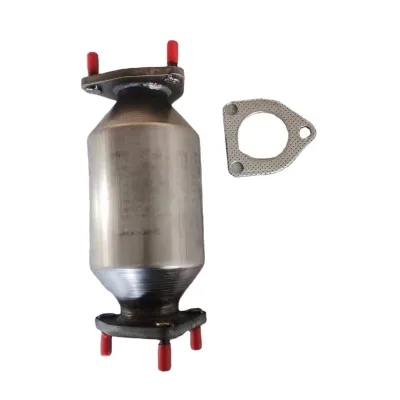
When sourcing a Euro 5 ceramic catalytic converter, the primary focus must be on the internal architecture and the materials used to ensure the component meets the stringent emission reduction requirements of the Euro 5 standard. The core of the device relies heavily on the substrate material, which acts as the structural support for the catalyst washcoat. Based on available market data, the substrate for these units is typically described as either ceramic or metallic. Ceramic substrates are frequently preferred for their high surface area and thermal stability, which are critical for the chemical reactions required to reduce nitrogen oxides, carbon monoxide, and hydrocarbons. The specific material composition often includes a ceramic catalyst, which is engineered to withstand the high temperatures generated during engine combustion.
The physical construction of the converter also plays a vital role in its performance and durability. The body material is predominantly steel, often utilizing specific grades such as S409 or S304 stainless steel to ensure corrosion resistance and structural integrity under harsh under-hood conditions. The manufacturing process typically involves seam welding to create a robust shell that can contain the high-pressure exhaust gases. A common structural feature observed in high-quality units is the inclusion of a heat shield, often designed in an OEM-style ribbed configuration. This component is essential for protecting surrounding vehicle parts from the intense heat generated by the catalytic reaction. The shape of the body is generally round, facilitating efficient gas flow and integration into various exhaust systems.
| Feature | Typical Observation | Verification Requirement |
|---|---|---|
| Substrate Material | Ceramic or Metallic | Confirm specific substrate type for application |
| Body Material | Steel (S409 or S304) | Verify grade against corrosion resistance needs |
| Structure | With Heat Shield | Check for ribbed or OEM-style design |
| Shape | Round Body | Ensure compatibility with exhaust piping |
| Welding Type | Seam Welded | Inspect for structural integrity and leaks |
Buyers must verify that the specific unit they are procuring aligns with the "Euro V" discharge standard mentioned in product listings. This standard dictates the maximum allowable emission levels, and the ceramic catalyst must be formulated to meet these thresholds. The combustion noise and mechanical noise sources within the engine are also relevant, as the converter's design must accommodate the acoustic characteristics of the exhaust system to prevent resonance issues that could compromise the catalyst's lifespan.
Compliance, Certification, and Regulatory Standards
Navigating the regulatory landscape is a critical step in sourcing catalytic converters, particularly for the European market where Euro 5 compliance is non-negotiable. The primary regulatory benchmark for these units is the Euro V discharge standard. This standard defines the permissible limits for exhaust emissions, and any supplier claiming compliance must provide evidence that their product meets these specific thresholds. While the provided data references "Euro V" as a standard, buyers should not assume that all listed products automatically satisfy this requirement without verification.
Certification plays a secondary but equally important role in validating the quality and management systems of the manufacturer. Several certification types appear in the market data, including ISO, ISOCE, and TS (Technical Specification). The presence of ISO certification indicates that the manufacturer adheres to international quality management standards, which is a strong indicator of process consistency. Additionally, certifications such as RoHS (Restriction of Hazardous Substances) are relevant for ensuring that the materials used do not contain restricted hazardous elements, which is a common requirement in many global markets. The combination of ISOCE and TS certifications suggests a robust framework for both quality control and technical compliance.
It is crucial for buyers to distinguish between the certification of the manufacturing facility and the certification of the specific product. A factory may hold ISO certification, but the specific catalytic converter model must be tested and approved to meet the Euro 5 emission standards. The data indicates that some products are labeled with "ISOComponent:Catalytic Converter," which implies a specific component-level certification. However, buyers must verify that the certification is current and applicable to the specific batch of goods being ordered. Relying solely on the presence of a certification logo without verifying the scope and validity can lead to compliance failures during vehicle inspections or regulatory audits.
Cost Drivers and Pricing Structures
The pricing of Euro 5 ceramic catalytic converters is influenced by a complex array of factors, including raw material costs, manufacturing complexity, and market demand. The observed price range in the market spans from 1 to 180 USD, reflecting the diversity of product specifications and supplier tiers. This wide range indicates that price is not a reliable standalone indicator of quality; a lower price may reflect a simpler design or lower-grade materials, while a higher price may indicate premium stainless steel, advanced ceramic substrates, or comprehensive certification packages.
One of the most significant cost drivers is the material composition. The use of high-grade stainless steel (S304 vs. S409) and the type of ceramic catalyst used can substantially impact the final cost. Metallic substrates often command a higher price than ceramic ones due to the complexity of their manufacturing, although ceramic substrates are more common for their cost-effectiveness and thermal properties. Additionally, the inclusion of features such as heat shields and specialized welding techniques adds to the production cost.
Negotiation is a standard practice in this sector. The market data explicitly notes that the price is subject to bargaining, and suppliers often offer free samples to potential buyers. This flexibility allows procurement teams to tailor orders to their specific budget constraints while ensuring that the technical requirements are met. The Minimum Order Quantity (MOQ) also affects the unit price, with ranges observed between 1 and 50 units. Buyers ordering in larger volumes may secure more favorable pricing, but they must balance this against their inventory management capabilities and cash flow requirements.
Typical Applications and Vehicle Compatibility
Euro 5 ceramic catalytic converters are designed for a wide range of automotive applications, primarily targeting light-duty vehicles that require emission control to meet regulatory standards. The data indicates that these components are suitable for specific car brands, with Beiqi Foton mentioned as a compatible manufacturer. This suggests that the converters are often designed for commercial vehicles or specific passenger car models that utilize this brand's engine platforms. However, the "Customized Request" specification for product models implies that these converters can be adapted for various vehicle types beyond the initially listed brands.
The versatility of these units is further supported by the "Customization: Available" attribute. This allows buyers to request specific modifications to the substrate, body dimensions, or mounting points to ensure a perfect fit for their vehicle fleet. The "Service: Customized OEM" attribute reinforces the idea that manufacturers are willing to produce units tailored to the original equipment manufacturer's specifications, making them suitable for both aftermarket replacements and original production lines.
When selecting a converter for a specific application, buyers must consider the noise characteristics of the engine. The data references "The Noise of Engine" as a key attribute, with specific mentions of combustion noise and mechanical noise. The converter must be designed to handle these acoustic profiles without introducing additional resonance or backpressure that could negatively impact engine performance. The "Easy Installing" advantage suggests that the design prioritizes user-friendly integration, which is particularly important for aftermarket applications where installation time and complexity are critical factors.
Supplier Evaluation and Factory Capabilities
Evaluating a supplier for Euro 5 ceramic catalytic converters requires a thorough assessment of their manufacturing capabilities and operational stability. The data confirms that the products are sourced from factories located in China, with specific origins mentioned as Wuxi and Hebei. These regions are known for their automotive component manufacturing infrastructure, but buyers should verify the specific factory's capacity and quality control measures. The "Factory: Yes" attribute indicates that the suppliers are direct manufacturers rather than trading companies, which can offer advantages in terms of cost control and technical support.
Supply ability is another critical metric for supplier evaluation. One supplier in the data lists a supply ability of 2500 pieces per day, which demonstrates a significant production capacity. However, buyers must ensure that this capacity is sustainable and that the supplier can meet their specific order volumes without compromising quality. The "Hot Sell in The Aftermarket" attribute suggests that the product has a proven track record in the market, which can be a positive indicator of reliability and customer satisfaction.
Packaging is also a factor in supplier evaluation. The data mentions various packaging options, including cartons, wooden boxes, and custom packaging upon inquiry. Proper packaging is essential to prevent damage during transit, especially for fragile ceramic substrates. Buyers should verify that the supplier uses robust packaging methods, such as wooden boxes for heavy or delicate items, to ensure the product arrives in pristine condition. The "Sample: Free" or "Sample: Offered" attribute allows buyers to physically inspect the product before committing to a large order, which is a best practice in supplier selection.
Quality Control and Long-Term Procurement Considerations
Ensuring long-term reliability and performance is paramount when sourcing catalytic converters. The data highlights several advantages that contribute to the longevity of the product, including "Good Performance," "Long Service Life," and "Easy Installing." These attributes suggest that the converters are designed to withstand the rigors of daily operation and provide consistent emission reduction over an extended period. However, buyers must implement a robust quality control process to verify these claims.
Quality control should begin with the verification of raw materials. Buyers should request material certificates for the stainless steel and ceramic substrate to ensure they meet the specified standards. The "prod_standard" of 409 stainless steel or S409/S304 should be confirmed through third-party testing if necessary. Additionally, the welding quality must be inspected to ensure there are no leaks or structural weaknesses that could compromise the converter's integrity.
Long-term procurement considerations also involve the relationship with the supplier. The "Customized Request" and "Service: Customized OEM" attributes indicate that suppliers are willing to engage in long-term partnerships. Buyers should seek suppliers who offer technical support and are responsive to any issues that may arise during the product's lifecycle. The "Receive Bargaining" attribute suggests that pricing can be adjusted over time, which can be beneficial for long-term contracts.
Finally, buyers should consider the environmental impact of their procurement decisions. The Euro 5 standard is designed to reduce harmful emissions, and selecting a high-quality ceramic catalytic converter contributes to this goal. By choosing suppliers with strong certifications and a commitment to quality, buyers can ensure that their vehicles remain compliant with environmental regulations while minimizing the risk of premature failure. The "Advantage-4: Hot Sell in The Aftermarket" suggests that these products are trusted by a wide range of users, providing additional confidence in their long-term performance.
FAQs
What certifications do euro 5 ceramic catalytic converters typically have?
These converters often carry ISO, ISOCE, TS, and RoHS certifications. Buyers should verify that the specific product listing includes these labels to ensure compliance with international quality and safety standards for emission control components.
How is the body material constructed for these units?
The body is typically made of steel, specifically grades like S409 or S304 stainless steel. Manufacturers use seam welding to create a robust shell that withstands high exhaust temperatures and prevents corrosion in harsh under-hood environments.
Can buyers request custom specifications for these converters?
Yes, customization is available for product models and dimensions. Suppliers offer OEM services and can adapt the substrate, heat shield design, or mounting points to fit specific vehicle brands like Beiqi Foton or other aftermarket requirements.
What is the typical discharge standard for these converters?
The primary discharge standard is Euro V, which defines permissible emission limits. Buyers must confirm that the specific unit meets this threshold to ensure regulatory compliance for vehicles operating in markets requiring strict emission controls.
How are these products packaged for shipping?
Products are packed in cartons or wooden boxes depending on the order. Suppliers may also provide custom packaging upon inquiry to ensure the fragile ceramic substrate and steel body arrive safely without damage during transit.
What is the supply capacity of these manufacturers?
Some factories report a supply ability of 2500 pieces per day. This capacity indicates a robust production line capable of meeting large volume orders while maintaining the quality required for aftermarket and original equipment applications.
Where are these converters typically manufactured?
Manufacturing origins include locations in China such as Wuxi and Hebei. Buyers should verify the specific place of origin listed in the product details to understand the logistics and potential lead times associated with the supplier.